

Most weight-loss plans treat everyone the same.
But people do not all respond the same way.
Two people can follow the same plan and get very different results.
WLP was built around that reality.
Some people stay lean with very little effort.
While many others struggle with:
Hunger
Increasing belly fat
Inconsistent progress
Repeated cycles of losing and regaining weight
These patterns are common.
They are not always understood correctly.
Interpretation
Many weight-loss systems use the same strategy for everyone.
But humans may respond differently.
Appetite, food environment, body-fat patterns, and long-term eating behavior can all influence results.
WLP was built to better understand and navigate those differences.
Traits Vs States
WLP separates long-term tendencies from current condition.
These are not the same thing.
Trait
How your body tends to respond over time.
State
Your current condition:
body composition
visceral fat level
fuel use patterns
regulatory status
progression trends
Confusing the two can lead to unrealistic expectations and poor planning.
Process
WLP follows a structured process:
Identify response patterns
Structure intake
Monitor change
Adjust when needed
The goal is better long-term alignment between physiology, intake behaviour, and progress.
Intake Structure
The interpretation process is detailed.
The eating structure is simpler.
WLP uses:
meal structure
food-by-weight guidance
appetite-focused intake
and reduced decision fatigue
The goal is a system that works in real life.
MEASURING SHIFT
Progress is not judged by scale weight alone.
WLP monitors changes over time using signals such as:
body composition
visceral fat behavior
waist-to-height ratio
lean-mass preservation
metabolic response
and progression trends
The goal is steady long-term improvement.
OUTCOMES
Different people progress differently.
Some respond quickly.
Others need more time before progress becomes stable and predictable.
The goal is not short-term intensity.
The goal is:
better regulation
steadier progress
improved fuel use
and long-term change
Real World Progress
In 2025, Fred’s clients averaged 39.3 lb. of weight loss, with more than 90% of that coming from fat rather than muscle or body water.
WLP focuses on practical meal structure, measurable progress, and long-term consistency.
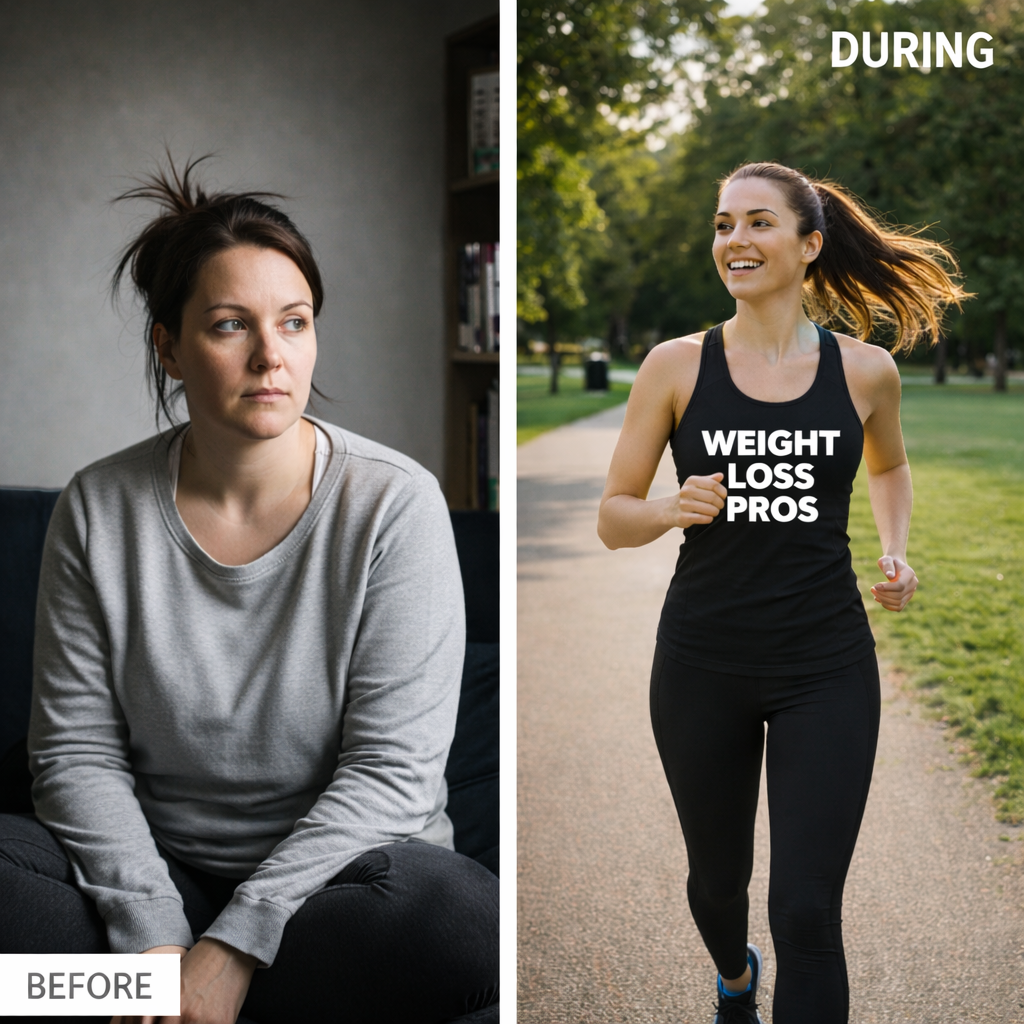
16 Weeks
Reduced abdominal fat
Lean mass preserved
Steadier progress over time
Structured intake and ongoing review supported the progression process.
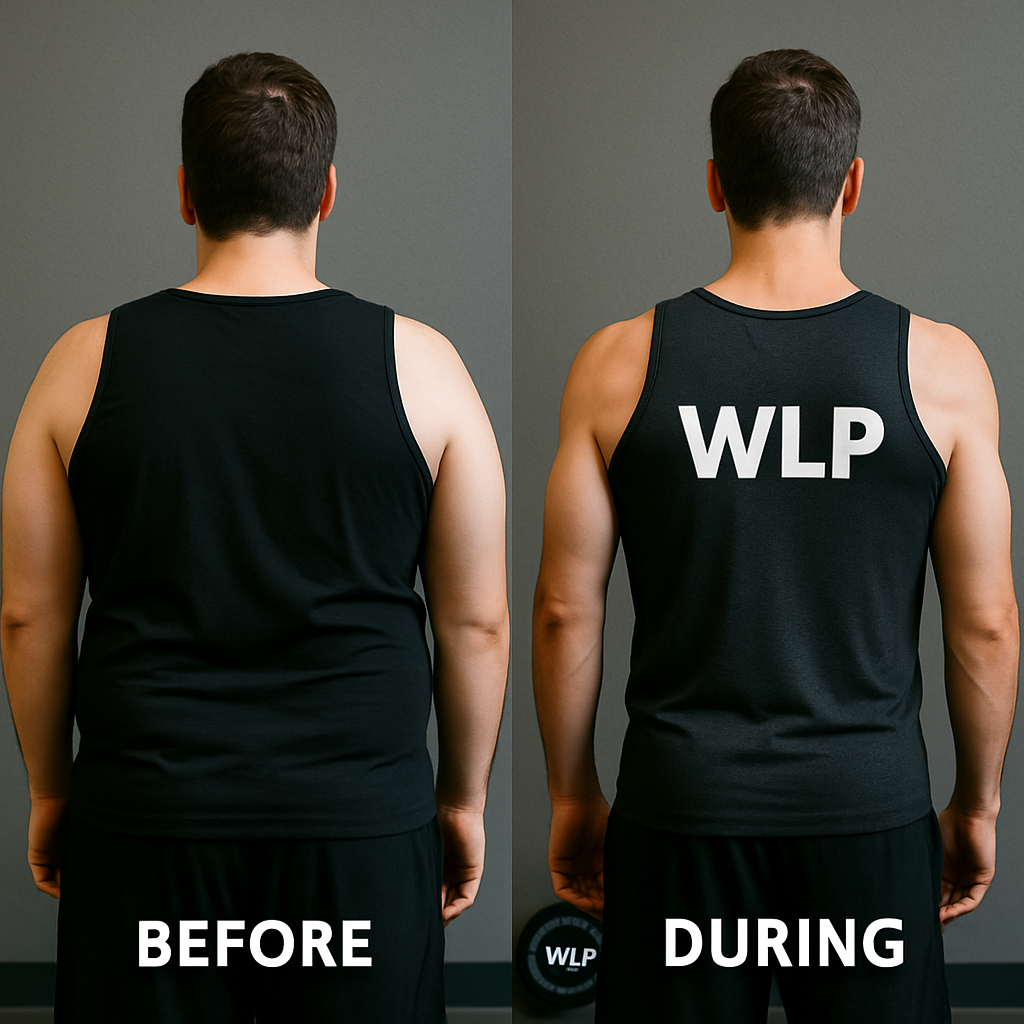
20 Weeks
Reduced waist size
Improved body composition
Consistent longterm progress
Different people respond differently over time.
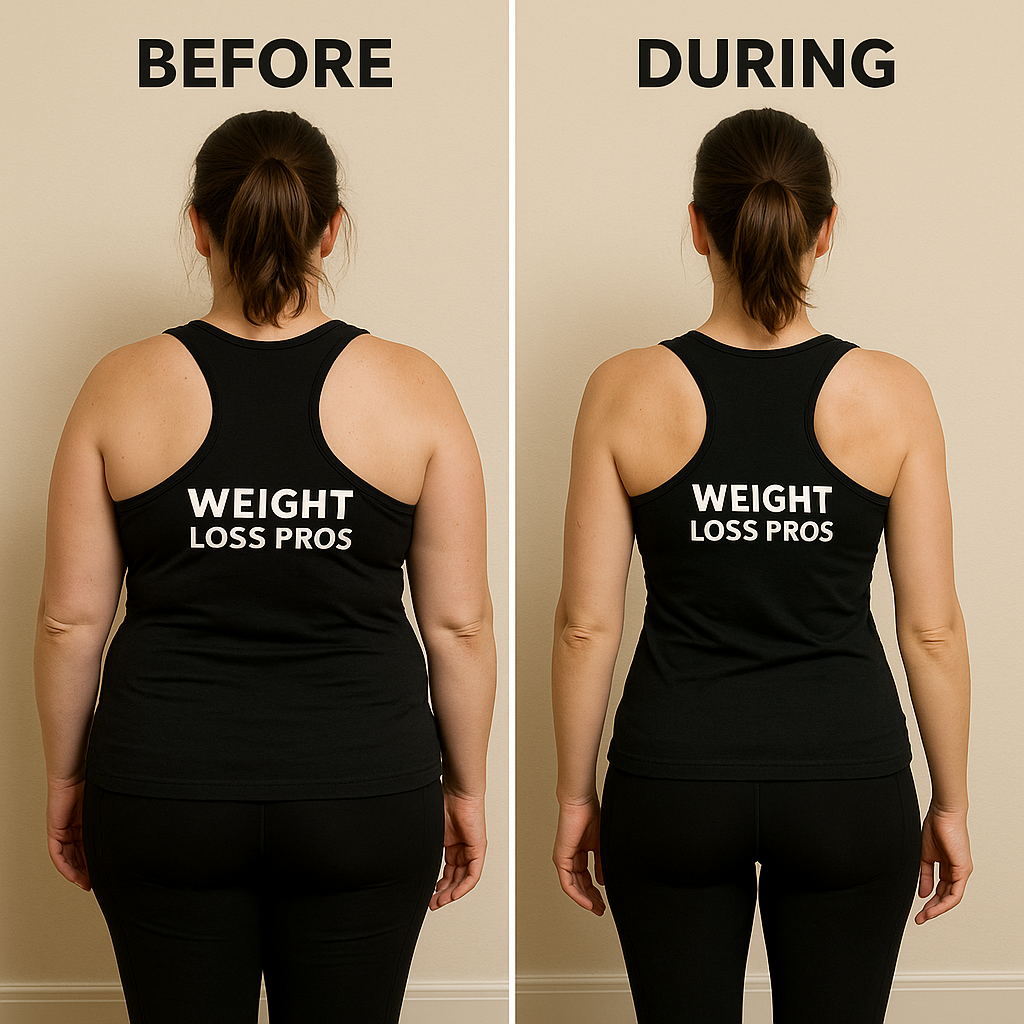
26 Weeks
Improved regulation
Reduced visceral fat
Improved food quality & consistent eating patterns
The goal is stable long-term progress.
CONSULT
WLP begins with structured assessment.
The consult process reviews:
response history
body-fat patterns
current condition
eating behavior
and progression goals
The goal is not a generic diet plan.
The goal is building a more appropriate system from the beginning.

Meet Fred Aylward, BCE, AEd, OCPT, OCTT — The Guy Behind Weight Loss Pros™
I lead every client consultation and review process at Weight Loss Pros™.
Over more than 35 years of one-on-one work, I observed something that challenged many conventional assumptions about weight loss:
Identical interventions often produced very different outcomes across different physiologies.
Some individuals responded quickly.
Others struggled despite genuine effort.
Some maintained results for years.
Others found themselves repeating the same cycle over and over again.
That observation became the foundation of Weight Loss Pros™.
My career has included health promotion, fitness leadership, physiological assessment, coaching, and behavior-change initiatives, including leadership and program-development roles with YMCA Halifax and YMCA Canada.
Working with thousands of individuals pursuing better health reinforced a lesson that would shape much of my thinking: people are remarkably different, and sustainable results rarely come from one-size-fits-all solutions.
Searching for better ways to understand those differences led me to ideas from healthy aging, physical activity, exercise adherence, behavior change, fitness assessment, and strength training. Although these disciplines approached health from different directions, they often arrived at a similar conclusion: long-term outcomes are rarely determined by isolated events. They are shaped by accumulated patterns over time.
Many of those ideas eventually found their way into the structure of Weight Loss Pros™.
The emphasis on assessment before intervention.
The distinction between fixed traits and changing physiological states.
The importance of longitudinal review.
The recognition that adherence, environment, and daily behaviors influence outcomes as much as the intervention itself.
That question remained with me throughout my career:
Why do some people achieve lasting success while others struggle despite genuine effort?
A recurring lesson emerged.
Meaningful change is rarely determined by a single meal, workout, or decision.
It is determined by patterns.
That belief eventually became one of the foundational ideas behind Weight Loss Pros™.
I often explain it this way:
People are the sum average of their previous seven days.
One missed workout rarely determines the outcome.
One restaurant meal rarely determines the outcome.
One imperfect weekend rarely determines the outcome.
The average determines the outcome.
My approach combines structured physiological assessment, metabolic testing, anthropometry, intake architecture, and longitudinal review to help clients better understand their individual response patterns over time.
Rather than relying on generalized dieting models, Weight Loss Pros™ focuses on physiological interpretation, measurable shift, progression stability, and improved alignment between physiology, intake structure, and real-world behavior.
The objective is not motivational weight-loss coaching.
The objective is a more structured and sustainable physiological framework designed to help people better understand themselves, make more informed decisions, and achieve meaningful results in the context of real life.
📅 Consult